
Tenerife is not enjoyed the same from all its corners. The ideal area changes if you are looking for a beach, nightlife, hiking, local atmosphere, or a practical base to tour the island. In broad terms, the south concentrates beaches and tourist accommodations, the metropolitan area brings together culture and shopping, the north offers green landscapes and gastronomy, and the southern midlands, at altitude, preserve a rural Tenerife that few travelers get to know.
If you are wondering where to stay in Tenerife, the most useful answer is not a single name but a choice according to your travel style. This guide compares the best areas of the island with a practical approach so you can book with more security.
Where is it best to stay in Tenerife?
Where it is best to stay in Tenerife depends on your main priority: Los Cristianos if you are looking for a beach, history, and an authentic base in the south, Costa Adeje if you prioritize comfort and hotels by the sea, Playa de las Américas if you want nightlife, Puerto de la Cruz if you are attracted to the north, Santa Cruz or La Laguna if you are interested in culture and urban life, and Vilaflor if what you are looking for is to disconnect in the middle of nature, near Teide. There is no universal “best zone”: Tenerife combines beaches, volcanoes, historic towns, and mountains on the same island.
A simple way to decide is to think about your first plan of the day. If you imagine having breakfast near a sunny beach, look to the south, towards Los Cristianos. If you prefer historic town centers and green landscapes, the north or the metropolitan area fit better. And if your trip revolves around hiking, silence and Teide, Vilaflor could be your best decision, even if it is one of the least known.
Quick guide to choosing a zone:
- First time in Tenerife: Los Cristianos, Costa Adeje, or Puerto de la Cruz.
- Beach with history and local atmosphere: Los Cristianos.
- Resorts and comfort: Costa Adeje, Fañabé, Playa del Duque.
- Nightlife: Playa de las Américas.
- Family: Los Cristianos or Costa Adeje.
- North and gastronomy: Puerto de la Cruz, La Orotava.
- Culture and shopping: Santa Cruz and La Laguna.
- Windsports: El Médano.
- Sunsets and cliffs: Los Gigantes.
- Nature, spa, and disconnection: Vilaflor.
Los Cristianos: beach, history, and local atmosphere
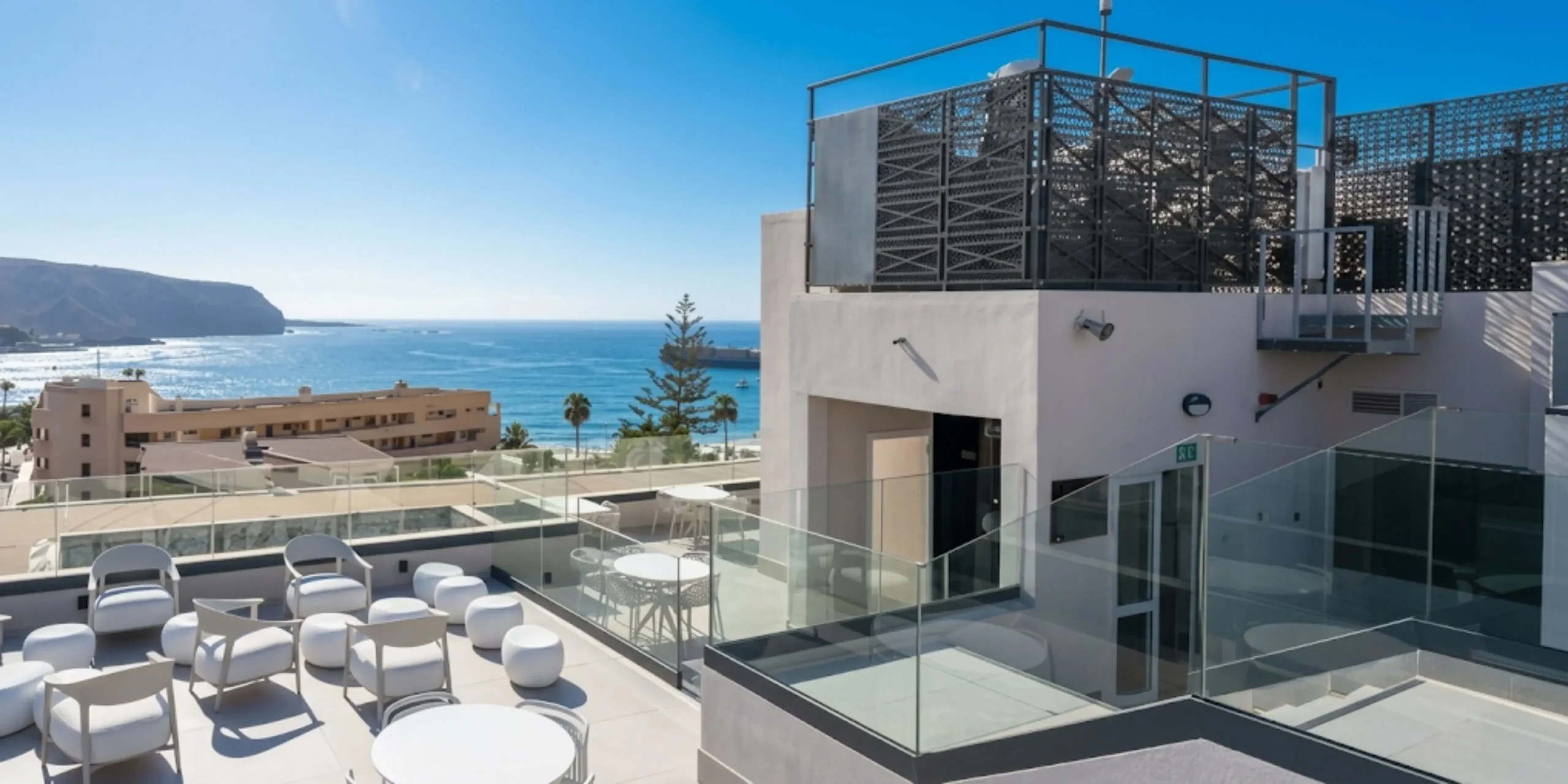
Former fishing village turned into one of the reference holiday destinations in the south, Los Cristianos preserves a daily character that sets it apart from more built-up areas for mass tourism: active port, promenade, beaches accessible on foot, and restaurants where you eat as well as in any historic town on the island.
Staying here means having the beach within walking distance without giving up neighborhood life: terraces with squares, authentic tapas bars, and an atmosphere that feels local even in high season. The Hotel Reverón Plaza, located in the heart of Los Cristianos, is a good example of that combination: it is the first lodging in the south of Tenerife, with almost a century receiving travelers, and today combines that legacy with modern comforts like its rooftop pool, overlooking the port and the bay.
It is a particularly recommended area if you are looking for balance: lively without being as nightlife-oriented as Playa de las Américas, with direct access to the sea and a unique identity that not all tourist areas in the south preserve.
Costa Adeje and Playa de las Américas: comfort versus ambiance
Costa Adeje is usually one of the most common answers to the question of where the best area to stay in Tenerife is, especially for those looking for easy vacations. It is an area designed for rest: hotels, apartments, restaurants, urban beaches, and tourist services are close to each other, reducing travel and making it comfortable for families and couples who do not want to depend on the car every day. It also offers a good base for excursions in the south and west, such as trips to the sea or routes to viewpoints.
Playa de las Américas, very close, is much more geared towards leisure: it works well if you want to go out at night, move on foot between bars and shops, and enjoy constant energy during the trip.
Puerto de la Cruz: charming northern area with a good pace
Puerto de la Cruz is one of the best areas to stay in Tenerife if you want to combine sea, history, restaurants, and access to the north of the island. It does not have the same sunny resort profile as the south, but it offers a more urban and traditional experience, and is a good base to visit La Orotava and its valley without making too long trips.
The atmosphere here usually attracts travelers who do not want to spend the whole day in a tourist complex: you can walk, have a drink on terraces, and organize excursions easily. The aspect to consider is the climate: the north can feel more humid or changeable than the south, something worth knowing if your absolute priority is to lie in the sun every day.
Santa Cruz and La Laguna for culture, shopping, and local life
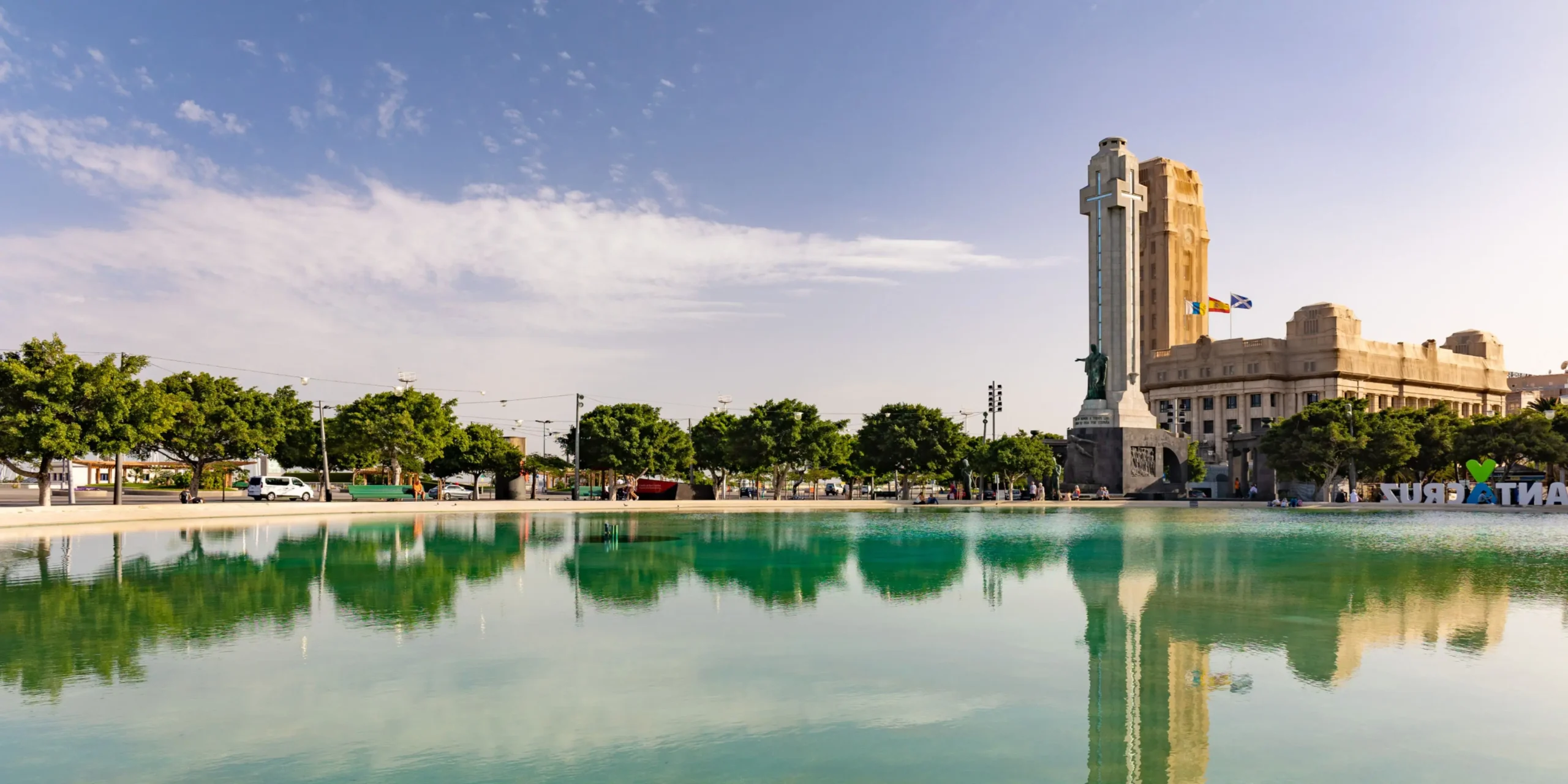
Santa Cruz de Tenerife and San Cristóbal de La Laguna are a great choice if you want to feel the island beyond beach tourism. The metropolitan area concentrates a significant part of Tenerife’s cultural, commercial, and leisure offer, as well as historical heritage, museums, and squares.
Santa Cruz fits with travelers who enjoy cities: shops, restaurants, markets, and connections to move towards different points of the island. La Laguna, on the other hand, has one of the most special historic centers in the Canary Islands, declared a World Heritage Site by UNESCO in 1999, with a pedestrian center ideal for walking calmly.
Vilaflor: the rural alternative, in the heights of Teide
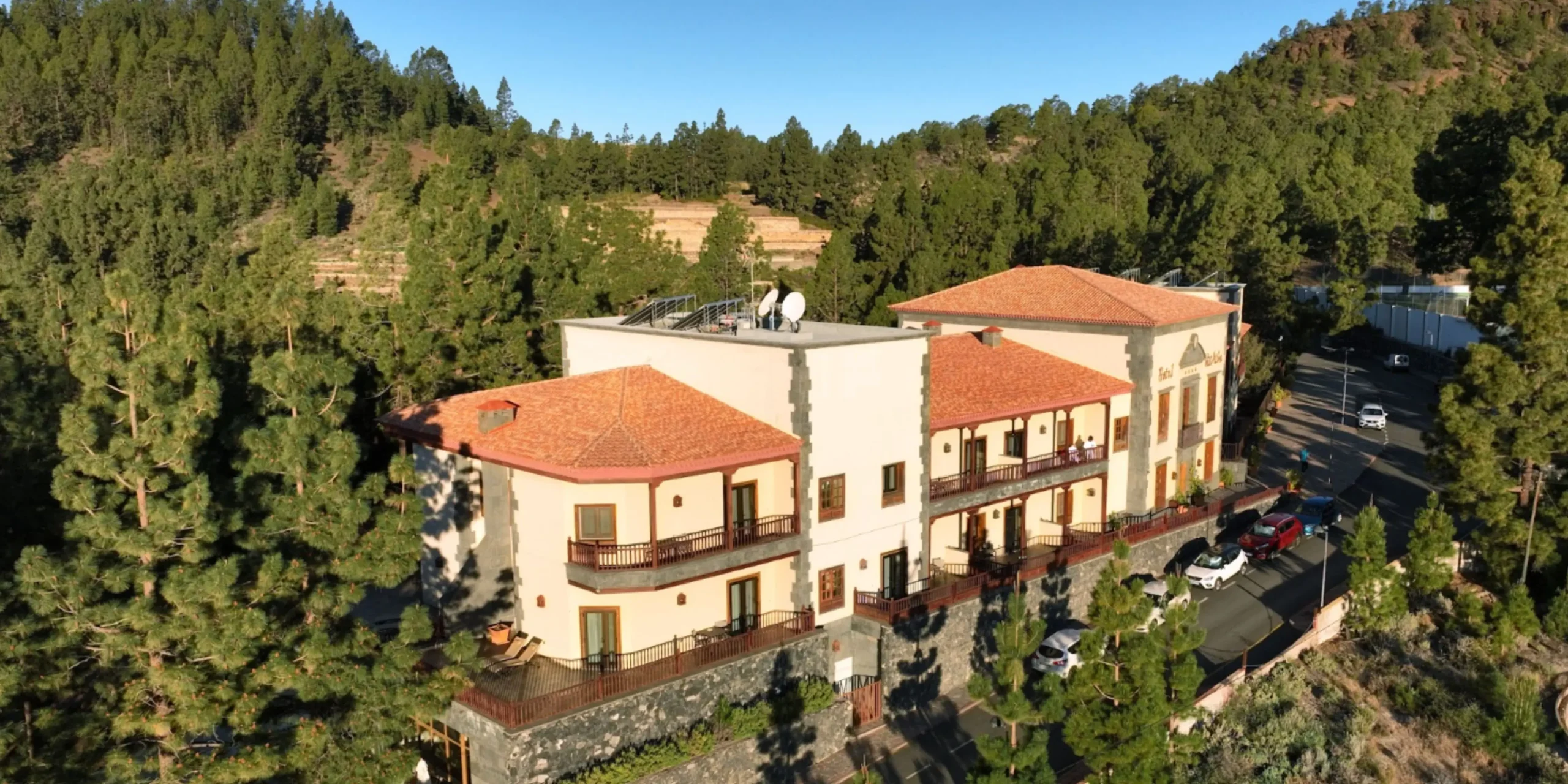
If you are looking for something completely different from coastal tourism, Vilaflor deserves its own place in this guide. It is the highest municipality in Spain, located more than 1,500 meters above sea level, in the middle of the Corona Forestal Natural Park and a step away from the Teide National Park. Here the plan changes completely: hiking among pine forests, clear skies perfect for stargazing, and a silence that is not found in any other area of the island.
The Hotel Spa Villalba, from the same family group as the Hotel Reverón Plaza, is the reference accommodation in this area: a mountain hotel built in wood and stone, with a spa, pools, Canarian gastronomy with local products, and even its own vineyard, from which the wines of Bodegas Reverón come. It is a particularly recommended option for those who want to truly disconnect, spend the night near Teide before or after visiting the national park, or simply experience a side of Tenerife that very few people discover.
El Médano and Los Gigantes: two bases with their own personality
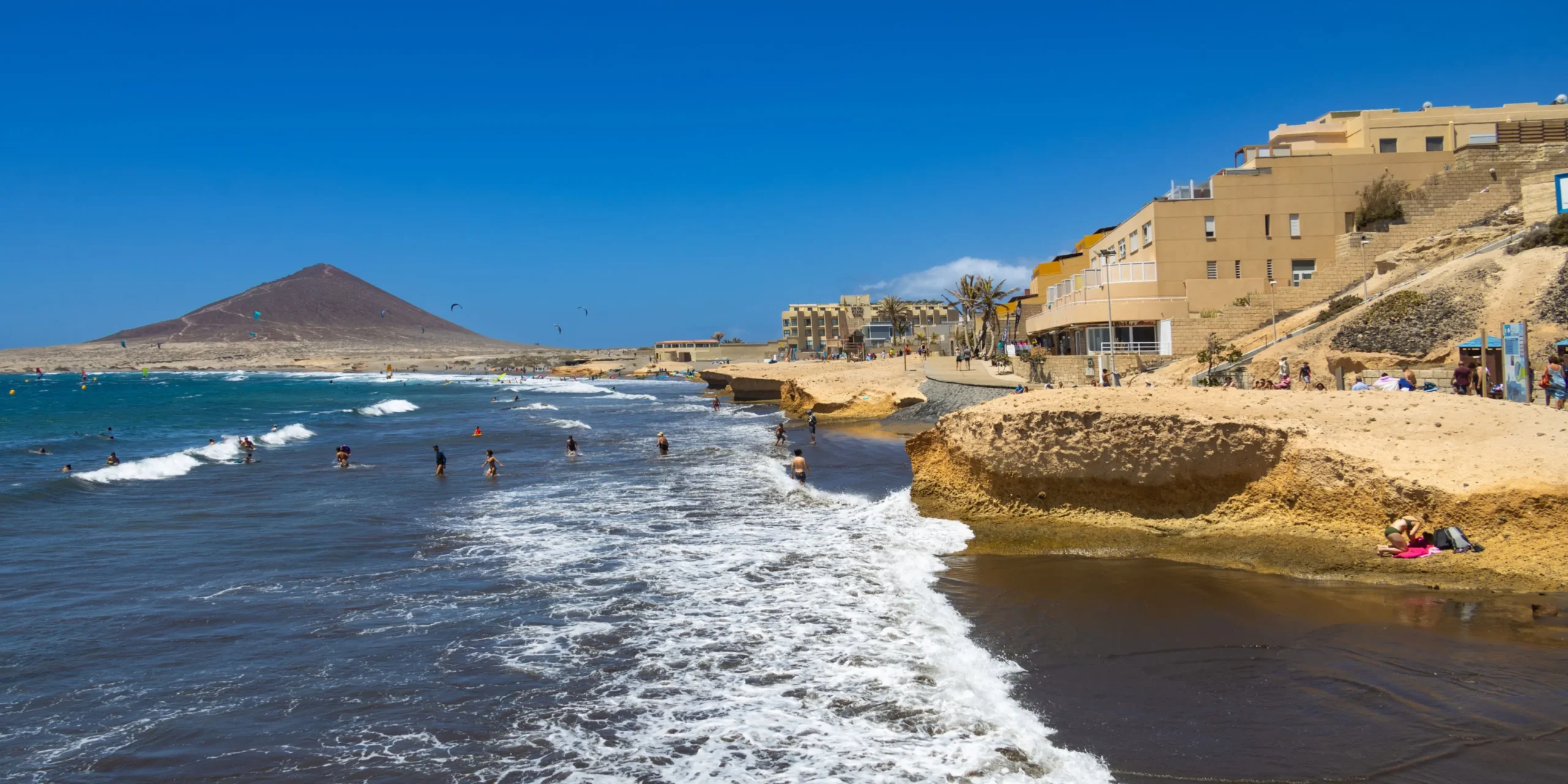
El Médano is ideal if your trip has a sporting, relaxed, and maritime point. El Médano Beach, in Granadilla de Abona, is known for its cosmopolitan atmosphere and its conditions for windsurfing and kitesurfing; the closest area to the town is more family-oriented, while the more exposed areas attract wind sports enthusiasts. It is not the most convenient base if you want to tour the entire island without a car, but it works very well for those looking for a less conventional stay in the south.
Los Gigantes and Puerto de Santiago offer a different type of experience: cliffs, dramatic views, and sunsets. Their cliffs are part of the Teno Rural Park and reach up to about 600 meters in height at some points, a landscape that is especially appreciated from viewpoints or from the sea. It is a recommended area for couples and lovers of nautical excursions, although it is somewhat more remote for exploring the north or the metropolitan area.
What is the best area of Tenerife to tour the island?
The best area of Tenerife to tour the island is usually the one that minimizes your journeys according to your itinerary, not necessarily the most famous one. If you want to visit both the south and the north —or even add a night of mountain—, you can divide the trip: a few days in Los Cristianos or Costa Adeje, others in Puerto de la Cruz or Santa Cruz, and a stop in Vilaflor if you are interested in Teide at ease.
This strategy works especially well on trips of more than five nights. The south gives you beaches and guaranteed sunny weather; the north and the metropolitan area, historic town centers and gastronomy; and the Vilaflor area, pure nature next to the Teide National Park, declared a World Heritage Site by UNESCO in 2007.
Before booking, check this checklist:
- Define your priority: beach, party, culture, nature, family, or rest.
- Decide if you will rent a car: without a car, prioritize areas with services and transportation, like Los Cristianos; with a car, Vilaflor becomes much more accessible.
- Look at the real map: some distances may seem short, but mountain roads change travel time.
- Consider splitting your stay: useful if you want to explore the coast and mountains without spending many hours driving.
- Read the exact location of the accommodation: two hotels in the same area can offer very different experiences.
- Check the nightlife environment: important if you are traveling with children or looking for absolute silence.
Conclusion: the best area is the one that fits your trip
If you are looking for an answer to where is best to stay in Tenerife: Los Cristianos combines beach, history, and local atmosphere like few other areas in the south; Costa Adeje stands out for resting with facilities; Las Américas for leisure; Puerto de la Cruz is excellent for the north; Santa Cruz or La Laguna for culture and urban life; and Vilaflor, in the heights of Teide, for those looking for nature and real disconnection.
The key is not to choose by fame but by the pace of your trip. If your plan combines beach and mountain, accommodations like the Hotel Reverón Plaza in Los Cristianos and the Hotel Spa Villalba in Vilaflor —both from the same family group— allow you to experience the two sides of Tenerife without giving up either.
If you are organizing your trip and looking for what to see in Tenerife in 5 days, this route covers the essentials: volcano, coast, historic center, charming villages, and a good balance between beach and culture. It is an itinerary designed for both couples and families, and you can adapt it according to your pace.
Day 1: Arrival and choice of accommodation
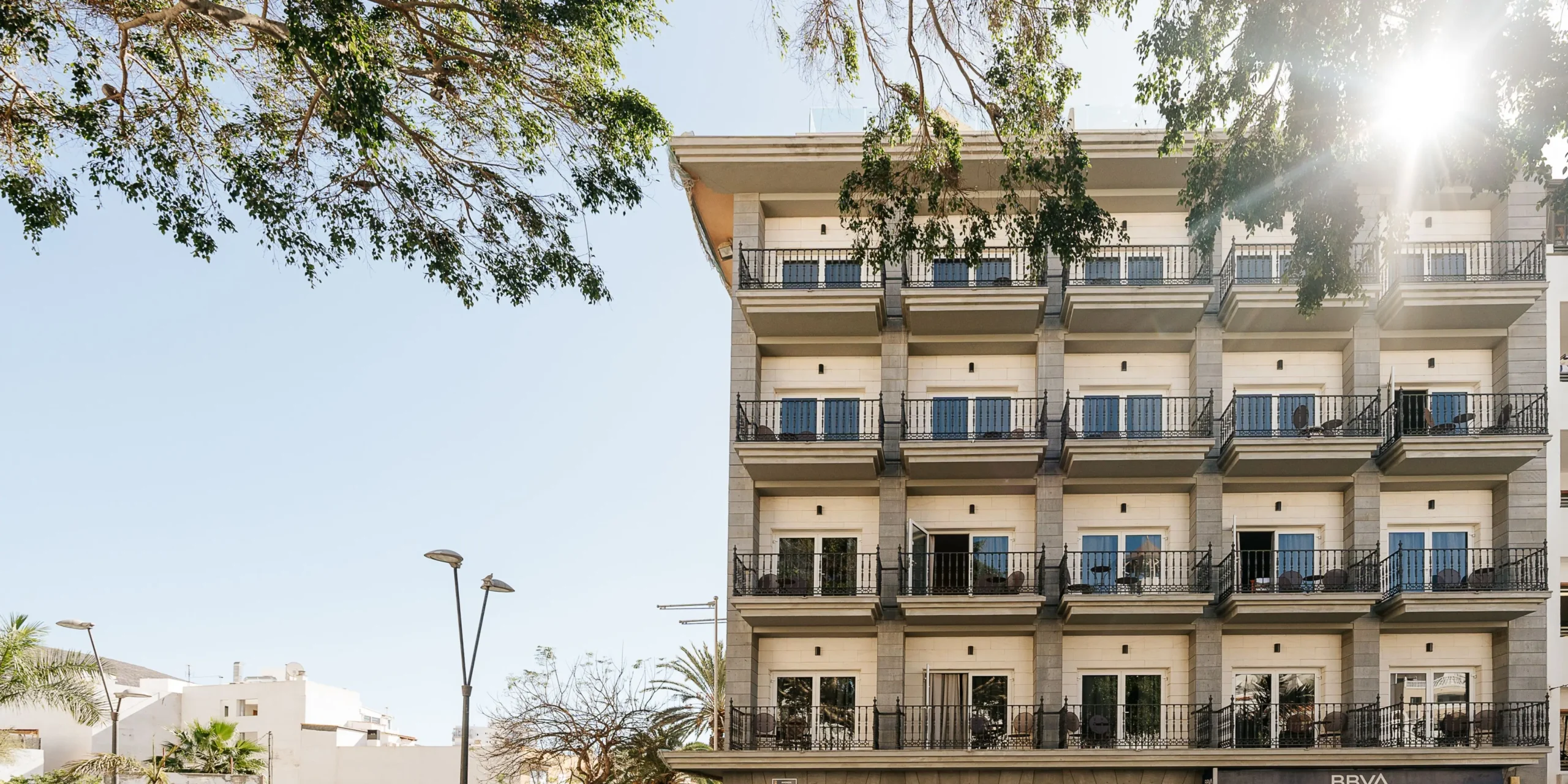
First of all, decide your base. The south of Tenerife —Los Cristianos, Playa de las Américas, Costa Adeje— is the warmest and driest area of the island throughout the year, with beaches, tourist atmosphere, and proximity to Reina Sofía airport. The north, with Puerto de la Cruz as a reference, has a more traditional, green character and a higher probability of rain.
If you choose the south, the Hotel Reverón Plaza located in Los Cristianos, is an option to consider: almost a century of history as one of the first lodgings in Los Cristianos, in the center and a few steps from the beach. Spend the afternoon strolling along the promenade, feeling the local atmosphere, and getting an idea of the area before planning the rest of the trip.
Day 2: Ascent to the Teide National Park
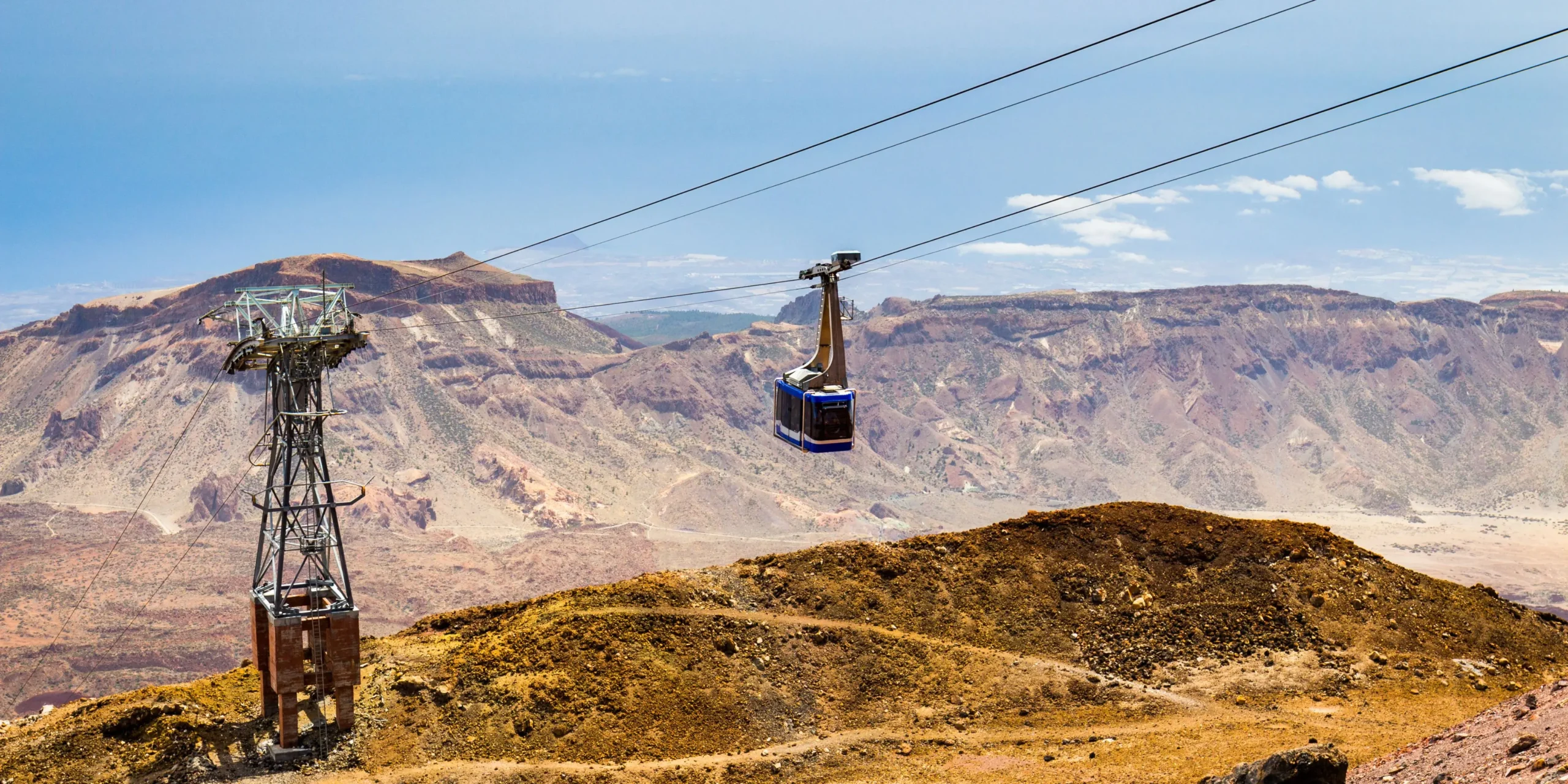
The Teide is a must-see excursion and the highlight of Tenerife. Reserve in advance the online tickets for the cable car, as sales are exclusively digital and easily sell out. If you want to reach the peak, you also need a special permit managed through Tenerife ON, and in some time slots, an ecotax applicable since 2026 is applied on regulated trails (free for residents on the island).
Take the day to visit the viewpoints of the Teide National Park and, if you enjoy hiking, some of the signposted routes through Las Cañadas. Keep in mind that the climate in this area changes radically compared to the coast: always carry a jacket, even if you have left home in short sleeves.
Day 3: La Laguna and Santa Cruz de Tenerife
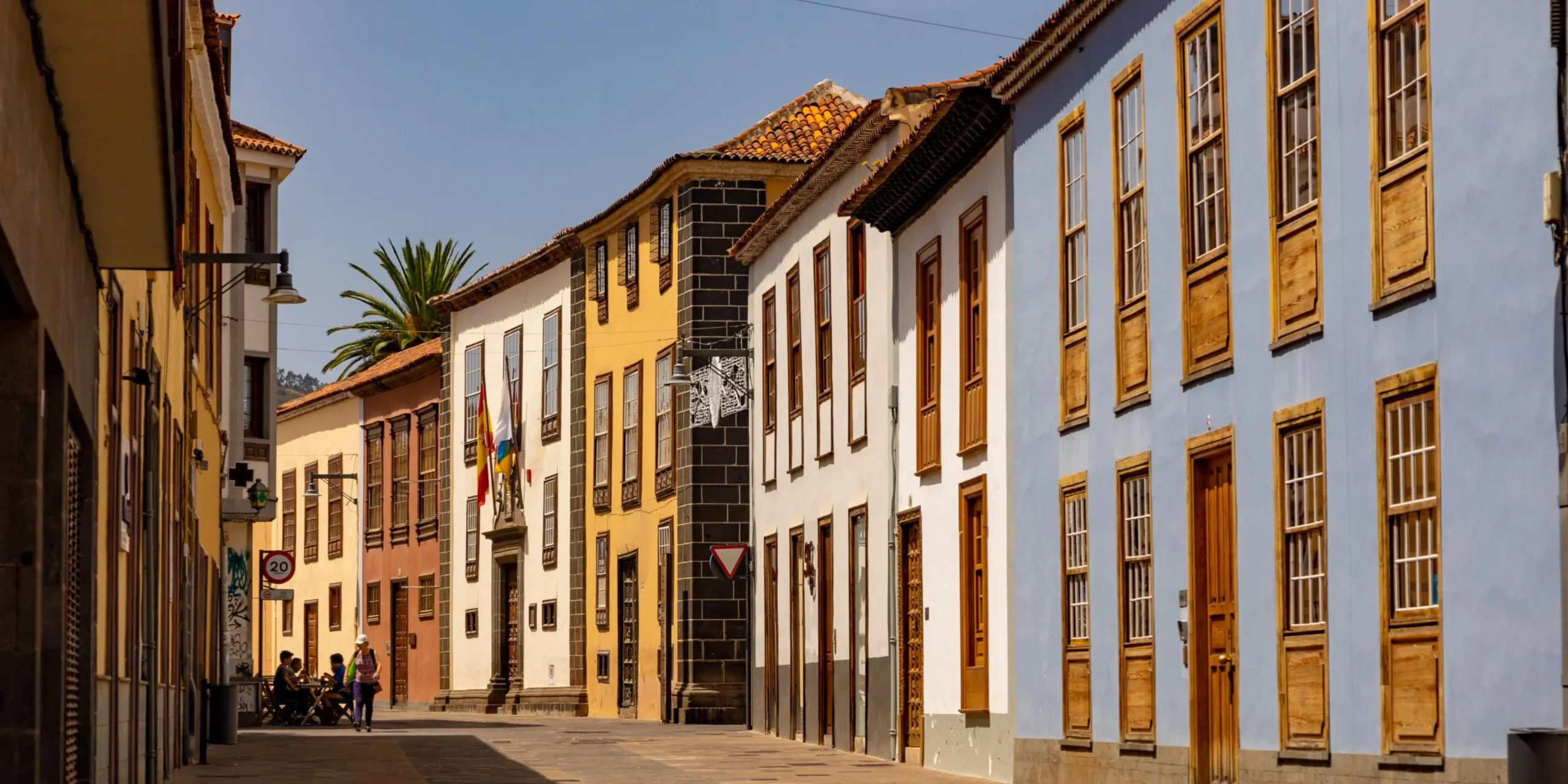
Spend the morning in San Cristóbal de La Laguna, a World Heritage Site by UNESCO and the former capital of the island, with a historic center of colonial streets and a university atmosphere. In the afternoon, Santa Cruz de Tenerife awaits you with the Plaza de España, the Market of Our Lady of Africa, and good options for shopping and Canarian gastronomy in the city center.
Day 4: South Coast, beaches, and activities in Los Cristianos
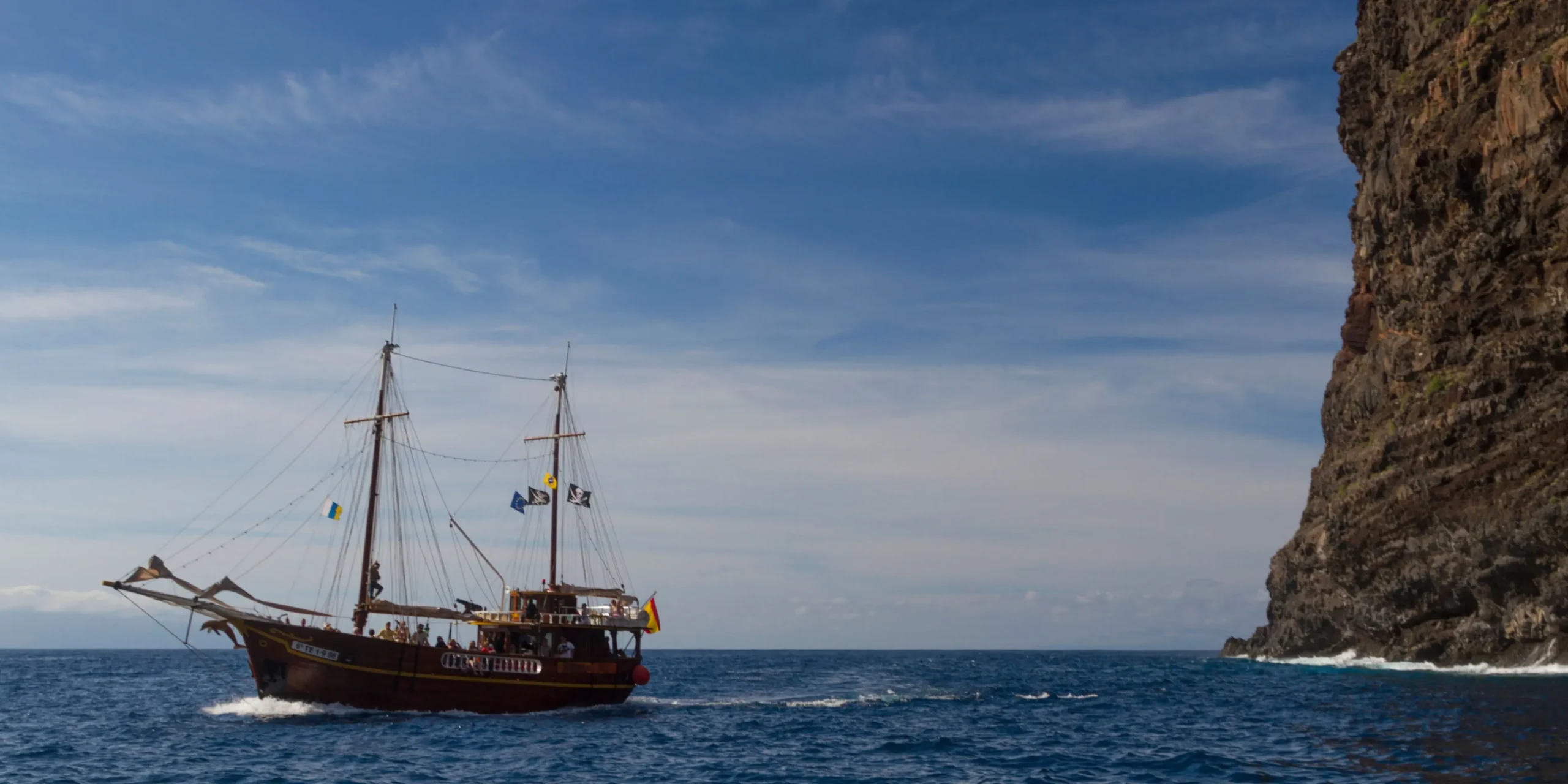
A day designed for the sea: water sports, boat excursions to see cetaceans, or simply beach time with the family in one of the coves in the south. Stroll through the port of Los Cristianos, try a restaurant by the sea, and go up to a viewpoint near sunset. If your accommodation has a rooftop with views, like the one at Hotel Reverón Plaza, it is the best time of the day to enjoy it with a drink in hand.
Day 5: North of the island and farewell
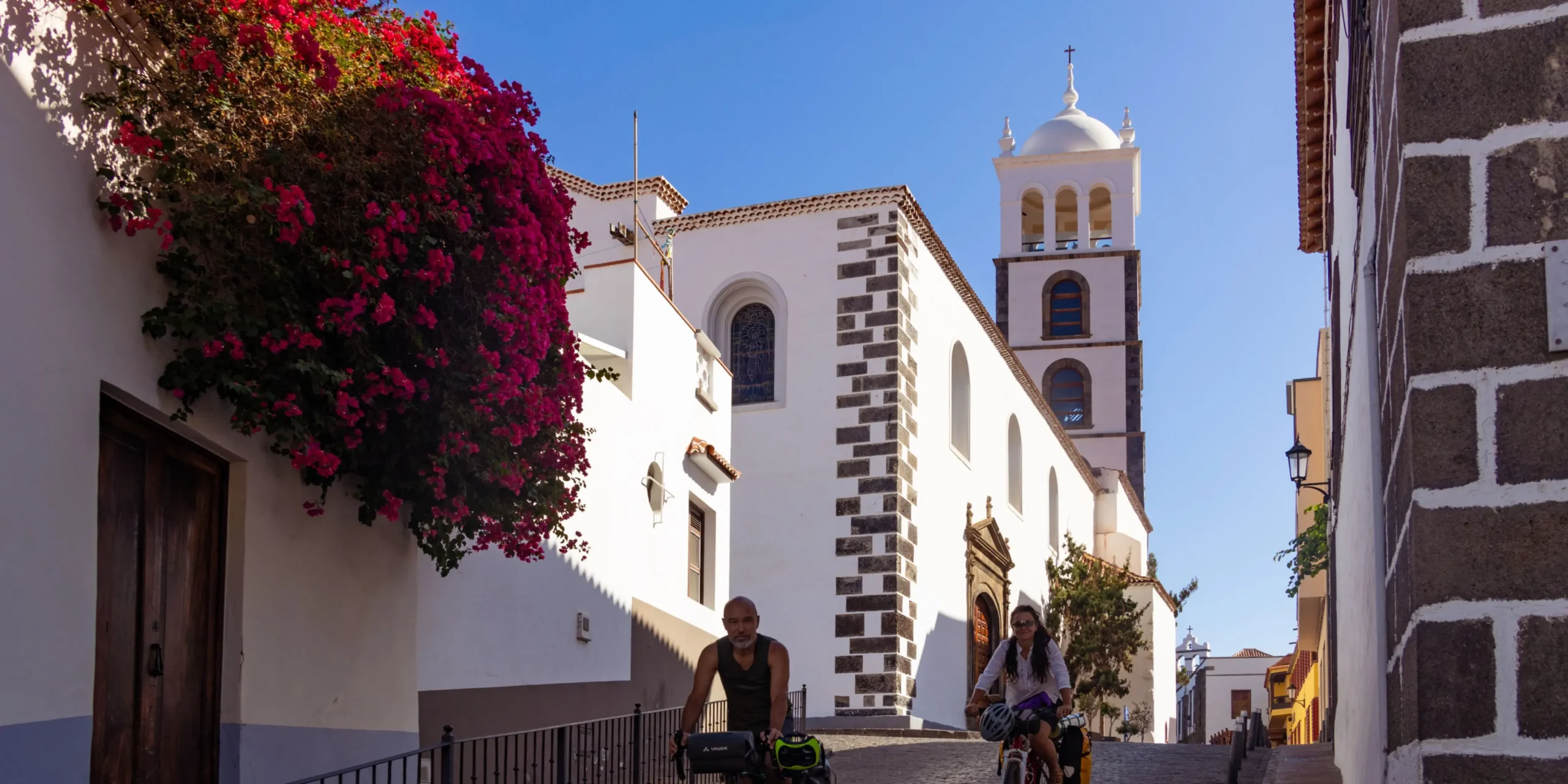
End the journey in Puerto de la Cruz: Botanical Garden, Playa Jardín, and its interesting cultural offer. Complete the day in La Orotava and Garachico, two of the villages with the most character of traditional Canarian architecture, with wooden balconies, cobbled squares, and corners that invite you to walk without haste.
Practical tips for your trip to Tenerife
- Best time to travel. Tenerife has a subtropical climate and can be visited all year round, with temperatures that rarely drop below 18 °C. However, May, June, September, and October are the months with less crowding; July-August and Holy Week are high season.
- How to get around the island. Renting a car is the most flexible option to follow this itinerary without depending on schedules. If you prefer public transportation, TITSA covers almost the entire island with its buses at a good price, although you will need more time between trips.
- Flexibility regarding the weather. The relief of the Teide generates microclimates: it can rain in the north while the sun shines in the south, or be cold in the mountains with warmth on the coast.
Frequently asked questions about traveling to Tenerife in 5 days
Are 5 days enough to get to know Tenerife?
Yes, although you won’t see the whole island. In 5 days, you can comfortably combine the Teide, the south, La Laguna, Santa Cruz, and the north, as proposed by this itinerary. If you have a week, you can add areas like the Anaga Rural Park or the Masca Valley without speeding up the pace.
Is it better to stay in the south or in the north of Tenerife?
It depends on your priority. The south (Los Cristianos, Costa Adeje, Playa de las Américas) has a more stable and dry climate throughout the year, more beaches, and proximity to Reina Sofía airport; it is the most practical option if this is your first trip. The north, with Puerto de la Cruz as a reference, offers a greener landscape and a more traditional atmosphere, although with a higher chance of rain. For a 5-day route like this, staying in the south makes it easier to move both towards the Teide and to the north on the same day.
Do I need a rental car to do this itinerary?
It is highly recommended. Although TITSA, the island’s bus network, covers almost all points of interest, a 5-day itinerary with stops at the Teide, La Laguna, Santa Cruz, and the north is much smoother with your car, as you avoid depending on bus schedules for long hauls.
Do I need to book in advance to go up to the Teide?
Yes. Cable car tickets are only sold online and tend to sell out, so it is advisable to reserve them with several days of margin.
What is the best time of the year to do this route?
Tenerife has a subtropical climate and is well visited all year round. If you are looking for less crowding and good prices, May, June, September, and October are the most recommended months.
Conclusion
Five days give you a lot to see in Tenerife: the highest volcano in Spain, history declared a World Heritage Site, coast for all tastes, and villages that seem frozen in time.
If you are looking for central and historic accommodation in the south of the island to organize the entire route, discover the rooms at Hotel Reverón Plaza and start planning your trip to Tenerife.